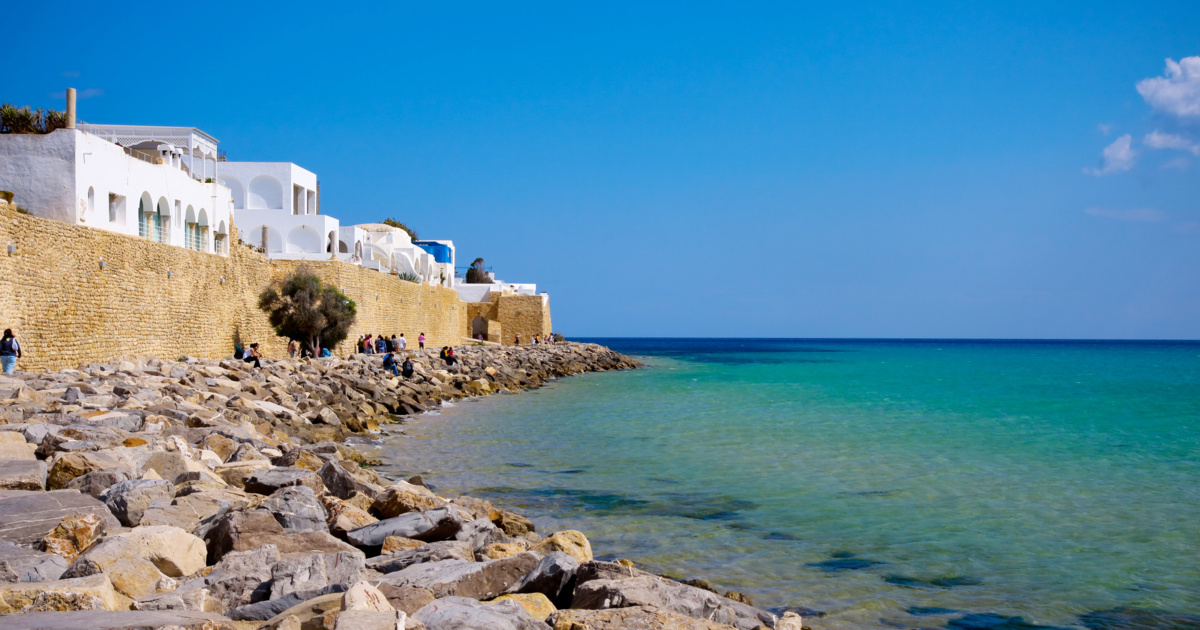
From the green forests in the north to the vast Sahara in the south. From ancient cities to hidden mountain oases: Tunisia is a country full of contrasts. The sea, mountains, desert, culture, and the Mediterranean way of life are surprisingly close together here.
If you think of Tunisia as just sun, sea, and sand, you’re missing out on a lot of what the country has to offer. You can hike through vast forests, explore ancient cities, play golf, enjoy wellness treatments, and sample local cuisine. Whether you choose a coastal getaway, a cultural tour, or an adventurous journey through the desert, Tunisia will surprise you with its immense diversity of landscapes and experiences.
Thanks to the relatively short distances, you can discover the country’s many different facets in a single trip. We’ll take you on a journey through Tunisia’s most beautiful regions and unique spots.
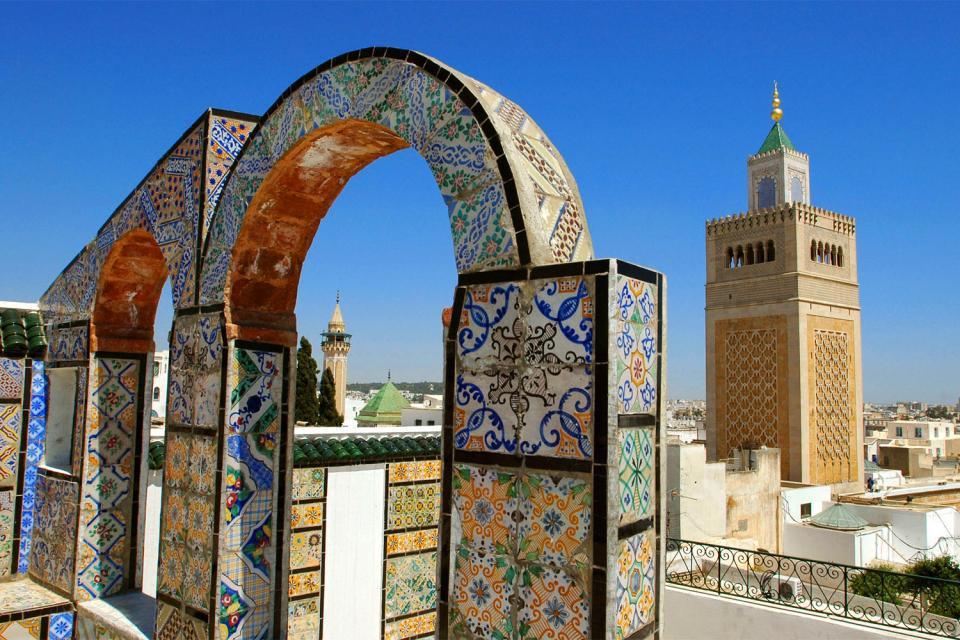
Northern Tunisia: Lush Forests, Mountains, and Ancient Cities
In northwestern Tunisia, nature and the coast come together. Tabarka is a beautiful example of this. This coastal town combines the Mediterranean Sea with vast forests and green hills. The clear seawater is ideal for diving and snorkeling. The Genoese fortress, which towers above the coast, is also worth a visit for its impressive views.
A short distance away lies Aïn Draham, a mountain village at an elevation of over 800 meters. Here, green hills, vast forests, and fresh mountain air make it an attractive destination for hikers and nature lovers. You can enjoy beautiful walks and hikes there, far away from the hustle and bustle of the coast.
The combination of Tabarka and Aïn Draham also offers opportunities for active vacations and training camps. Here, you can easily combine water sports, hiking, and relaxation in nature.
El Feija National Park is also a must-see for nature lovers. The park is known for its rich biodiversity, vast forests, and hiking trails. Those interested in history shouldn’t miss Dougga. This impressive archaeological site is one of the best-preserved Roman cities in North Africa and is listed as a UNESCO World Heritage Site.
Further east, three remarkable places lie close together: Tunis, Carthage, and Sidi Bou Saïd. In the historic medina of Tunis, you can wander through narrow streets lined with shops and local crafts. In Carthage, you’ll discover the remains of an ancient civilization, while Sidi Bou Saïd is known for its white houses, blue doors, and panoramic views of the Mediterranean Sea. Both the medina of Tunis and the archaeological site of Carthage are UNESCO World Heritage Sites.
Cap Bon also deserves a spot on your itinerary. This region is known for its beaches, charming coastal villages, citrus groves, and cuisine. In Korbous, you’ll also find natural thermal springs, where relaxation and wellness take center stage.
In the interior, near Zaghouan, you’ll discover a different landscape, featuring mountains, natural springs, and unique cultural heritage. The Temple of Water is a reminder of the Roman aqueducts that once supplied Carthage with water. The surrounding area is ideal for hiking, climbing, and caving. Local traditions and regional products also make this region worth exploring.
Taste your way through the journey: fresh fish and seafood, citrus fruits from Cap Bon, local olive oil, honey, and the refined kaâk warka from Zaghouan.
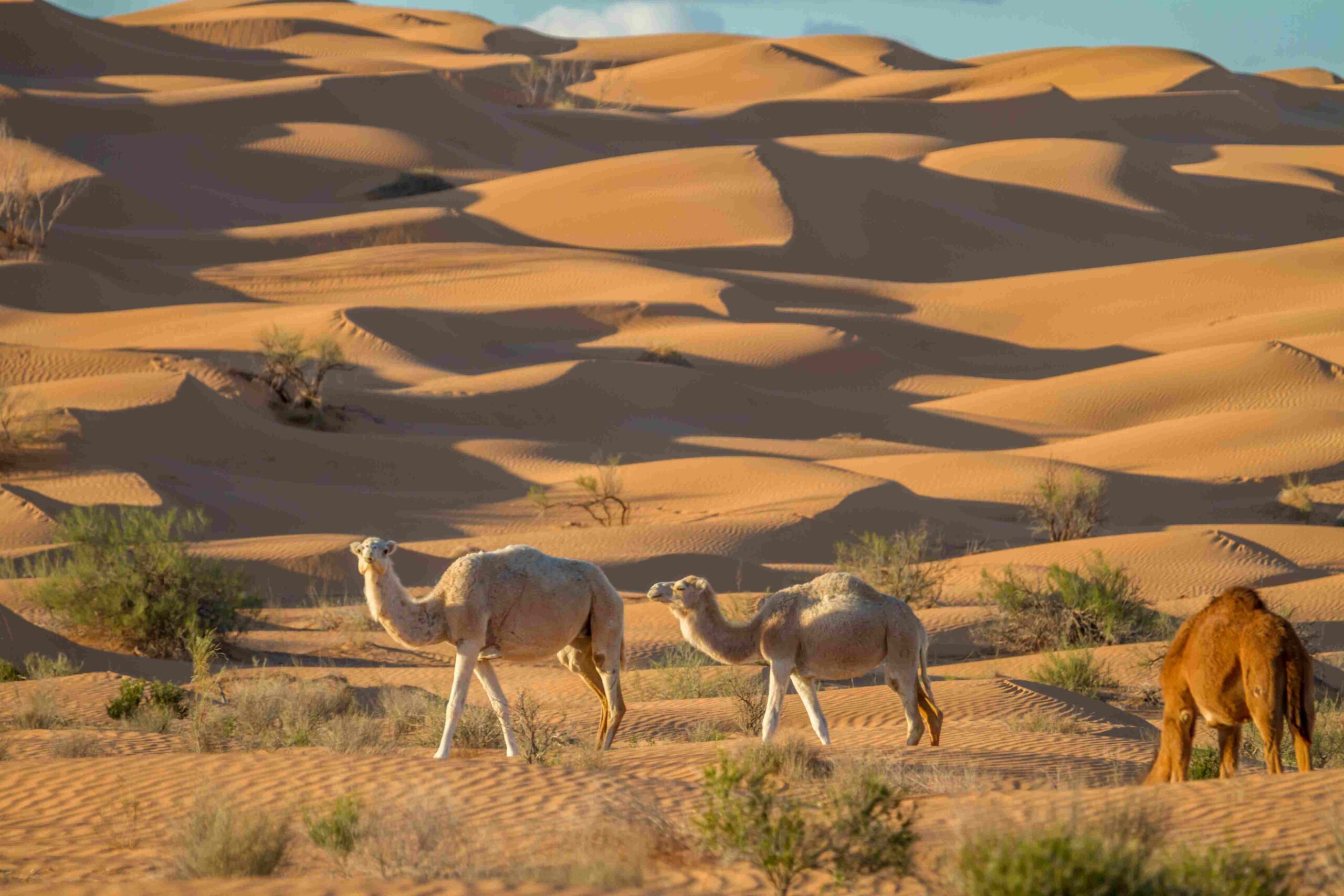
Southern Tunisia: Desert Adventures, Mountain Oases, and Unique Villages
Further south, the landscape changes. The green hills give way to vast plains, palm trees, and impressive desert landscapes. This is where a completely different side of Tunisia begins.
Tozeur is a unique base from which to explore the world of the oases. The city is known for its expansive palm grove and traditional architecture, with facades adorned with distinctive brickwork.
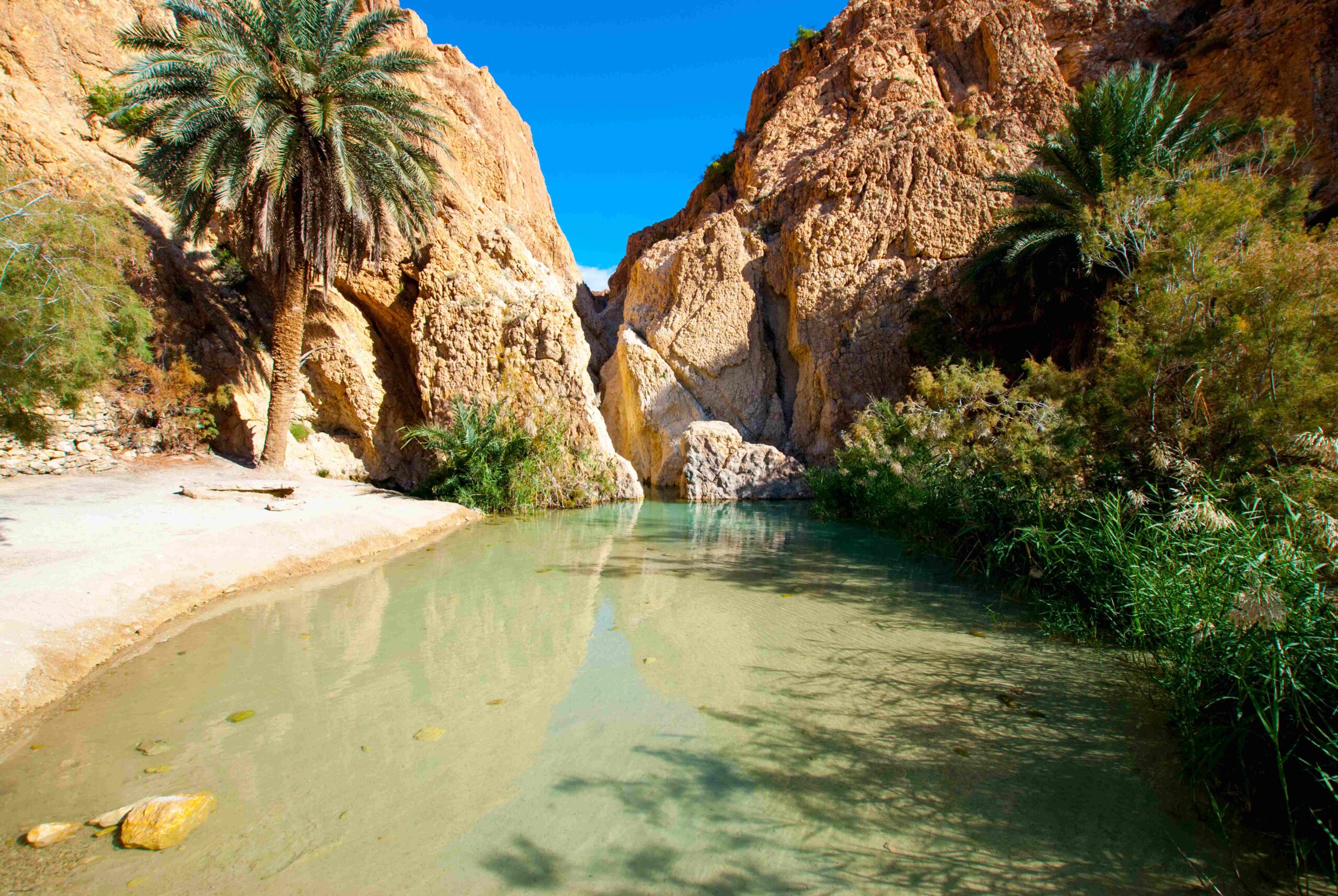
From Tozeur, you can visit the mountain oases of Chebika, Tamerza, and Midès. These places will surprise you with deep gorges, waterfalls, lush palm groves, and impressive rock formations—a striking contrast to the arid landscape that surrounds them.
Crossing Chott el-Jérid, Africa’s largest salt lake, is also an experience in itself. The vast salt landscape creates unique colors and reflections. Afterward, you’ll reach Douz, also known as the gateway to the Sahara.
This is where the desert adventure begins. Venture into the sand dunes on foot, by 4×4, on a quad bike, or on a dromedary, and experience the vastness of the Sahara. The landscape is especially impressive at sunset. To make the experience complete, spend the night in a desert camp, enjoy local cuisine, and gaze out over the endless sandy plains under a clear starry sky.
Further east lie Matmata and the Tataouine region. Matmata is known for its unique underground dwellings, which are carved into the earth and offer protection from extreme temperatures. In the Tataouine area, you’ll discover places like Chenini and Douiret: traditional mountain villages with distinctive architecture and impressive views of the arid landscape.
The Dahar UNESCO Global Geopark is also worth exploring. This unique area brings together geological landscapes, traditional ksour (fortified storage structures), underground dwellings, local customs, and crafts.
And then there’s Djerba, an island where you can slow down and unwind after taking in all the sights of the interior. Think beaches, charming villages, traditional architecture, local crafts, and a relaxed Mediterranean lifestyle. The island has its own cultural identity and has been on the UNESCO World Heritage List since 2023 because of its distinctive settlement pattern.
Combine these experiences: discover the mountain oases around Tozeur, experience the Sahara from Douz, explore the unique villages of Tataouine, and end your trip with some relaxation on Djerba.
Tunisia: One Destination, a Thousand Ways to Explore
From the green forests in the north to the warm sandy hues of the Sahara. From ancient cities and impressive Roman monuments to white coastal villages, olive groves, and vast palm groves. Tunisia’s landscape changes as you travel further.
It is precisely this diversity that makes the country so special. In a single trip, you can effortlessly combine nature, culture, adventure, sports, wellness, fine dining, and relaxation.
Whether you choose an active tour, a cultural exploration, or a vacation that combines different regions, Tunisia has much more to offer than you might expect.
It’s time to look beyond the well-known beaches and discover a whole different side of Tunisia.
Discover Tunisia on The GetAway from January 7–10, 2027!